The Current State of Nigeria’s Economy in 2026
Nigeria is an influential economy in Africa, which is at times reported to be the largest in terms of population, natural resources, and market size. As a country which produces large amounts of oil and also has a young, dynamic population, Nigeria plays a key role in regional and global economic discussions. That said, its economic path has not been without issues, which, together with great opportunities, have shaped its growth.
In 2026, the state of Nigeria’s economy is of importance not only to policymakers and investors but also to the everyday citizen, as the economy affects life in very personal ways. From food costs to job availability, economic issues touch almost every aspect of daily life. In this report, we present a full picture of the economic state of Nigeria. We look at the key drivers, issues at hand, opportunities that present themselves, and what to expect in the future.
Overview of the Economy
By 2026, Nigeria’s economy is in a state of mixed results, which includes both growth and ongoing adjustments. While there has been some success in stabilizing the macroeconomy, there are also issues that have slowed progress. Growth has been moderate at best, and although improvements are seen in some sectors, the overall picture is still affected by large structural challenges.
The economy is still very much dependent on oil revenues, although there is a clear trend toward diversification. We are seeing growth in the agricultural, tech, and service sectors. That said, inflation and currency instability have reduced overall economic confidence.
Nigeria in 2026 is in a transition phase, moving away from oil dependence while also addressing long-standing systemic issues.
Key Economic Drivers
Oil and Gas Sector
The oil and gas industry is the mainstay of Nigeria’s economy. It accounts for a large share of government revenue and foreign exchange earnings. Global energy demand and fluctuating oil prices have a direct impact on Nigeria’s fiscal health.
However, production is affected by infrastructure issues and security challenges in oil-producing areas, which prevent the sector from reaching its full potential. Although reforms and investments are being introduced to improve efficiency, the heavy dependence on oil highlights the need for more diversified growth.
Agriculture
Agriculture has become a major pillar of the Nigerian economy and remains a primary source of employment. A large portion of the population is engaged in farming, making it a key sector for poverty reduction and food security.
In 2026, there is increased focus on modernizing agriculture, improving storage systems, and boosting local production. Despite progress, challenges such as limited access to finance, climate variability, and poor infrastructure remain significant.
Technology and Digital Economy
In recent years, Nigeria has experienced strong growth in its tech and digital sectors. The country has become a leading innovation hub in Africa, driven by its young and tech-savvy population.
By 2026, digital services, fintech, e-commerce, and remote work continue to expand. Start-ups are gaining more exposure, and digital platforms are transforming business practices. This sector plays a key role in economic growth and job creation, especially for young people.
Manufacturing and Trade
Manufacturing in Nigeria is still developing but holds strong potential. There is increasing support for local production and import substitution in areas such as food processing, textiles, and consumer goods.
Trade remains essential in connecting Nigeria to the global economy. While regional trade agreements have opened new opportunities, logistical challenges and policy inconsistencies sometimes limit results.
Current Challenges
Inflation and Cost of Living
In 2026, rising cost of living remains a major issue. Inflation has increased the prices of basic goods such as food, transport, and housing. Many households have experienced reduced purchasing power and increased financial pressure.
Although inflation has been partially managed, global commodity fluctuations and supply chain disruptions still affect domestic prices.
Currency Fluctuations
Currency instability continues to be a major concern. It significantly affects businesses that rely on imports and contributes to rising inflation, as imported goods become more expensive.
Managing currency stability requires a careful balance of monetary policy, foreign exchange management, and economic diversification.
Unemployment and Underemployment
Despite growth in certain industries, unemployment and underemployment remain high. Many young Nigerians struggle to find stable, well-paying jobs, leading to increased informal employment.
This highlights the need for more inclusive economic growth and greater job creation across multiple sectors.
Infrastructure Limitations
Infrastructure remains a major barrier to economic growth. Unstable electricity supply, poor road networks, and limited transport systems increase business costs and reduce competitiveness.
Although infrastructure development is improving, progress is still slower than required for national needs.
Global Economic Influences
Nigeria’s economy is closely linked to global developments. Changes in energy demand, trade policies, and financial markets all affect domestic performance.
External shocks continue to impact the economy, making it important for Nigeria to build more resilient systems and reduce vulnerability.
Opportunities and Growth Areas
Expansion of Non-Oil Sectors
Diversification remains a key strategy. Agriculture, technology, entertainment, and renewable energy offer strong growth opportunities. Reducing dependence on oil can improve stability and create a more balanced economy.
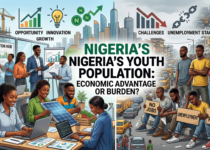
Youth Population and Entrepreneurship
Nigeria’s young population is a major asset. With proper investment in education and skills development, this demographic can drive innovation and economic growth.
Entrepreneurship is also rising, with many young people starting businesses that address both local and global needs. Supporting this trend can increase job creation and resilience.
Foreign Investment Potential
Nigeria remains attractive to foreign investors due to its large market and growth potential. Improving the business environment, ensuring policy stability, and strengthening institutions can boost investor confidence.
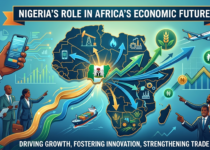
Regional and Global Trade Opportunities
Participation in regional trade agreements expands market access across Africa. Improving trade infrastructure and reducing barriers can increase exports and strengthen Nigeria’s global trade position.
Government Policies and Reforms
In recent years, the government has introduced reforms aimed at stabilizing and growing the economy. These include fiscal and monetary policy adjustments, revenue generation efforts, and support for local industries.
There is also a focus on improving the ease of doing business, supporting small and medium-sized enterprises, and investing in infrastructure. While results vary, these efforts represent a broader attempt to address economic challenges and promote sustainable growth.
Consistency in implementation will determine how effective these reforms become.
Future Outlook
Nigeria’s economic outlook in the coming years is cautiously positive. The focus on diversification, institutional strengthening, and sector development is expected to support steady growth.
However, progress will depend on how well challenges such as inflation, unemployment, and infrastructure gaps are managed. External global conditions will also continue to play a role.
If reforms are sustained and opportunities are properly utilized, Nigeria can achieve a more stable and inclusive economy.
Conclusion
In 2026, Nigeria’s economy shows mixed progress. There is growth in sectors like technology and agriculture, but challenges such as inflation, currency instability, and unemployment remain significant.
Nigeria stands at a critical point. With strong resources, a large and dynamic population, and emerging sectors, the country has the potential for long-term economic success. What is required is consistent policy implementation, sustained reforms, and inclusive growth strategies.
As the economy evolves, the focus must remain on stability, opportunity, and development that benefits all segments of society.
Nigeria’s Role in Africa’s Economic Future

How Poor Infrastructure Can Slow Down Economic Growth