How Networking Can Open Global Opportunities
Many see career success as a result of getting the right qualifications, getting certified, and putting out applications online. While those are key elements, they are by no means the full picture. In fact, what we see is that many opportunities come through connections. People put forth those they know, trust, and look up to. A casual chat may lead to a job interview, a freelance project, a mentorship opportunity, or even a business partnership in a foreign country.
In present times, which are so connected, we see that networks have become the best tools for going beyond local markets. A student in Nigeria is to that which a software engineer in Canada. A freelancer in India is building out relationships with startup founders in Germany. An entrepreneur in Kenya is connecting with potential partners in the United States. Geography is no longer the issue it used to be.
Networking isn’t for the asking of favors or the amassing of contacts. It is about the creation of real professional connections over time. When done well, it breeds trust, visibility, and credibility. These traits, in turn, open doors to opportunities that may not be made public.
What Networking Really Means
Networking is a practice in which you build and maintain professional relationships. At its base is the connection with other professionals, what you learn from them, and in what ways you can add value to each other.
Many folks think of networking as a form of self-promotion, which is not true. We have this idea that it is about reaching out to strangers for jobs. In reality, effective networking is very much a human affair. It starts with curiosity and respect. You look into what other people are doing, you share ideas, and you keep in touch over time.
Strong relationships are founded on trust. People are more likely to put in a good word for you when they know your character, see your skills, and think you will do them justice.
In what way does networking play a role in the global economy?
In today’s global market, which is more competitive than ever, we see companies and their partners to have a wider choice. They are able to hire talent from any part of the world, work with remote contractors, and partner with foreign businesses. But this also brings in its own set of issues. What we find is decision-makers are looking for greater assurance that the person or company they choose is reliable and skilled.
Recommendations also do away with that which is uncertain. If a trusted person puts you in touch with an employer or client, your chances of them taking notice go up.
Networking also gives access to info which is not public. You may hear of new markets, upcoming projects, scholarship opportunities, or companies which are expanding into international markets before the info becomes widely known.
In today’s global business climate, in which your talent takes you to new markets every day, we may not know which connections of yours will prove to be as valuable as the knowledge in your head.
Global varieties of connection which networking presents
Professional associations present many opportunities.
International job referrals are very typical. A colleague based overseas may tell you of a position and put in a good word for you.
Remote work options tend to go to people we know and trust. A company may choose to hire a friend of a current employee over the large pool of applicants.
Freelancers can get clients from foreign countries through referrals. A happy client may put you in touch with others in their network.
Entrepreneurs may team up with distributors, suppliers, investors, and co-founders in other markets.
Networking is also a great way to find mentors. You will connect with experienced professionals who will give you advice, feedback, and put in a good word for you, which in turn will help you grow.
Students also find out about scholarships, internships, and research opportunities from professors, alumni, and international contacts.
Where to Build Professional Connections
Networking is done in both online and offline settings.
Industry events, conferences, and workshops are also great for connecting with professionals who have the same interest as you do. A brief chat may, in fact, lead to lasting relationships.
Online, in global networks which we didn’t see before, professional forums, special interest groups, and virtual events bring people together no matter where they live.
Alumni associations do very well. We see that graduates are to share their success with fellow school and university members.
Social media is also a great networking platform for professional use. By sharing your expertise, outreaching thoughtfully, and joining in discussions, you may see an increase in professional connections.
The best networking is done in settings which are already home to professional discussions.
How to Network Effectively
Effective networking occurs when you are true to who you are. Instead of jumping to what you can get out of the relationship, take time to learn about the other person’s work and experience.
Pose open-ended questions. People value honest interest and in-depth discussion.
Look out for ways to add value. You may share an article that is useful, introduce a colleague to a key contact, or support a team member with their project. Even small actions will improve relationships.
Follow up on your meeting by sending a short note of appreciation which also brings up a point of discussion you had.
Stay in the loop. Relationships grow with consistent communication, not a single interaction.
Through time, these small actions grow into familiarity and trust.
Building a Strong Personal Brand
Networking is better when you present clearly who you are and what you do.
Your professional image, which includes your resume, portfolio, online presence, and reputation, is what you put forth. It also puts across your skills, interests, and values.
A very detailed profile and a portfolio of your work make it easy for others to put their support behind you. If someone puts you in touch with a potential employer or client, what they are looking for is proof that you are a professional.
Your rep counts for a great deal more than your bio. What you do and what you say are what form lasting impressions, which in turn see you referred by others.
Networking for Students and Early-Career Professionals
Students and recent graduates tend to think they have nothing to bring to the table, which is due to a lack of experience. In reality, what they may lack in experience they make up in drive, which is very valuable.
You can connect with alumni, faculty, and industry professionals, which will give you access to their career stories. These are in-depth insights which you won’t get from textbooks or job ads.
Informational interviews are a great resource. Instead of asking for a job, ask how the person got into the field, what skills are important, and what they would tell a beginner.
Many professionals will stand with those who show curiosity, respect, and initiative.
In your early career, you develop relationships which may be present for years.
Networking Across Cultures
Global culture awareness is key to networking. Communication styles and business etiquette differ by country; also, we have different expectations.
In some cultures, formal introductions kick off the conversation. In others, a more casual approach is seen more often. Also, response times, meeting styles, and negotiation practices may vary.
The base is to be respectful and also observant. Listen well, eschew assumptions, and adapt to the norms of the people you are interacting with.
Culture which we present in a sensitive way is what builds trust, which in turn creates stronger international relationships.
Common Mistakes to Avoid
One thing that is very common is to ask for the job right away after making initial contact. That comes off as transactional, which in turn may put off further talk.
Another issue is that we put too much into what we get for ourselves. Networking instead should benefit all parties.
Some also drop out of relationships. Relationships require that we put in time and true interest for them to be meaningful.
Others disregard their professional image. Poor communication, missed deadlines, or unprofessional behavior, which in turn may very well do away with trust very fast.
Successful networking requires patience, generosity, and consistency.
Realistic Challenges
Networking is a process that takes time. We develop true connections and earn trust over time.
In not all conversations there is an opportunity. Some connections break off, and some messages go unused.
This is true. What we see in networking is that it is for the purpose of not getting instantaneous returns but to form a long-term professional community.
Consistency beats speed. Over time, your professional network will be a well of insight, support, and opportunity.
How Networking Benefits Entrepreneurs and Freelancers
For entrepreneurs and freelancers, growth is a result of networking.
Relationships bring in new clients, strategic partners, suppliers, and investors. Also, we see that referred inquiries are of better quality than cold outreach alone.
Networking is also a great source of market intelligence. We speak to experienced professionals who tell us about customer requirements, industry trends, and also about entering into new foreign markets.
A robust network of contacts and resources can put business owners in a better position to enter new markets.
Future Outlook
As we see technology connecting people from all over the world, professional relationships will grow in importance.
Art tech may transform what we do at work, but trust will always be a human issue. Employers, clients, and partners will put out the same value in the word of someone they look up to.
Those who put investment in meaningful relationships do better at accessing global opportunities over the course of their careers.
Conclusion
Networking is a great way to expand beyond your local network. It connects you to international job opportunities, remote work, mentorship, freelance clients, scholarships, and business partnerships.
At the core, what we do in networking is to build up real relationships which are founded in trust, mutual value, and shared professional interests. It takes patience, consistency, and a will to put in as much as you take out.
In today’s interconnected world, which is a fact of life, growth options present themselves at the feet of people. By building strong professional ties, you lay out a foundation which will support you in your journey across different countries, industries, and career phases.

The Impact of Tourism on the Global Economy
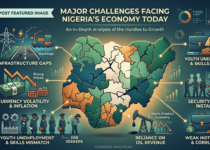
Major Challenges Facing Nigeria’s Economy Today