The Rise of Tech Startups in Nigeria
In present times, tech startups have become the forerunners of innovation, which we see in the form of creative, tech-based solutions to our day-to-day issues. At their base, these startups are small and agile companies that use digital tools, software, and mobile platforms to bring to the table products and services in a more efficient way. Nigeria, what is referred to as the Giant of Africa, has come up as one of the leading centers for tech innovation on the continent. Over the past ten years, we have seen a great increase in tech startups in the country, which is also a part of a larger trend of digital transformation across Africa. This growth is also changing the business playing field and, at the same time, is redefining how Nigerians access services, communicate, and interact with the economy.
Overview of Nigeria’s Startup Ecosystem
Nigeria has seen very quick growth in its tech sector, which has transformed from isolated software companies into a large network of startups, incubators, and innovation hubs. In cities like Lagos, Abuja, and Port Harcourt, we see the main activity, which hosts co-working spaces, accelerators, and tech-oriented events that bring together entrepreneurs, investors, and innovators. As a leader in the tech space in Africa, Nigeria is doing very well, which only countries like Kenya and South Africa can match in terms of dynamic startups. Also, this growth is a reflection of the creativity of local entrepreneurs and the fact that international investors are taking note of Nigeria’s young and tech-savvy population.
In the world of startups, we see a great deal of collaboration and experimentation. Innovation hubs and tech clusters are the stage where we find young developers and business minds who are into idea exchange, learning from mentors, and piloting new products. These spaces have been key in the very early stages of a startup’s growth, which in turn takes promising ideas and turns them into market-ready solutions that solve real-world problems.
Key Factors Driving Growth
In many cases, what we are seeing is an increase in the number of tech startups in Nigeria. A large element of this is the very fast growth in internet use and mobile phone access. As millions of Nigerians get into the use of affordable smartphones and we see faster internet access, we are also to see that digital services are at an all-time high in terms of access. This connection we are seeing is a base which, in turn, is driving the growth of mobile apps, e-commerce platforms, and online service providers.
Nigeria has a young and ambitious population, which is a key driver. The country is home to a large youth population, which is very much into technology and business. This young energy is what fuels the innovation scene; we have many young Nigerians who are into tech and are starting companies that solve local problems. Also, we see social media and online communities play a great role in the exchange of ideas, which in turn helps innovators to get out there and grow their businesses.
The growth of digital payments and fintech is also a key element. For a long time, traditional banking has had a narrow reach, which left many in Nigeria out. In that void, startups in the tech finance sector have entered to present mobile banking, online payment, and lending platforms, thus increasing access to financial services for individuals and small businesses. What we see today is the success of these companies, which in turn has brought in venture capital and foreign investment to fuel growth and expansion into new markets.
Government programs and private sector investment have seen these trends play out. We see initiatives that foster entrepreneurship, provide grants, and improve digital infrastructure, which in turn have helped to create a very fertile environment for startup growth. Although we still see issues that must be addressed, the mix of supportive policies, investor interest, and talented entrepreneurs has been the propellant that has taken Nigeria’s startup scene forward.
Major Startup Sectors
Nigeria has a large tech startup sector that is present in many areas that play into the country’s economy. In that space, fintech is the leader, which includes mobile payments, digital lending, and alternative banking. What we are seeing is that, through these startups, the barrier to financial inclusion is going down and, in turn, they are changing how Nigerians manage their money, get loans, and transact.
E-commerce- and logistics-based startups are also a very large segment. They connect consumers to products and services via online platforms, which in turn improves access to a greater choice of products and, at the same time, makes delivery of those products more efficient. In a country that has issues with transport and distribution, these solutions are very much in demand.
Health tech companies are growing to present digital health solutions, which include telemedicine platforms and health monitoring apps. In remote and underserved areas, these players are improving access to health care. Also, in education tech, we see that these companies are using technology to enhance traditional study; they are offering online courses, virtual classrooms, and skills-based platforms, which play to the growing student base in Nigeria.
Agritech is also a very large field of innovation, which sees startups put forward solutions for farming, supply chain management, and market access. Through the modernization of agriculture, these companies are also helping to increase productivity, reduce waste, and put farmers in touch with larger markets.
Success Stories and Impact
Tech-based companies in the Nigerian market are seeing great success, which they are putting into the everyday lives of citizens. They are solving issues at hand, creating jobs, and, in turn, stimulating economic growth. In the case of fintech companies, we see that they have created easier methods for small-scale businesses to get their payments in and out, which also includes better access to credit, which in total is what is allowing for the growth of entrepreneurship at the base of the pyramid. Also, we have e-commerce and logistics companies that are bringing a larger variety of products to the consumer, and health tech, which is, in turn, improving access to health care in remote areas.
Startups play a role beyond that of service providers; they also, in fact, put out job opportunities. Many of these companies are hiring local talent, which includes software developers, designers, marketers, and customer support staff. This, in turn, is creating jobs and, at the same time, is building a base of skilled professionals, which in turn will fuel more innovation in Nigeria.
Challenges Facing Tech Startups
Nigerian startups are seeing great growth but also are facing many issues. Fundraising is a major issue, which we see play out in very competitive access to venture capital and also in cases where large-scale investment does not pour in. Also, we have infrastructure issues like inconsistent power supply and poor internet, which present practical problems for tech-based startups.
Regulatory instability is an issue in business, which we see play out in the tech and retail sectors. While some regulations fuel growth, others, which are inconsistent and, in the case of fintech and e-commerce, very confusing, do, in fact, stifle growth and also dissuade investment. Also, we see the talent gap, which, although we have many skilled workers we produce, still leaves us with a lack of specialized tech talent, which, in many cases, results in that talent going abroad to markets that may value and retain it better.
Opportunities and Future Outlook
Despite these issues that have been present, for tech startups in Nigeria, the future is very bright. In clean energy, logistics optimization, and advanced agritech, we see untapped sectors which, in turn, present a chance for new players to come in. Also, global interest in what is going on in African tech is a growing trend, which, in turn, brings in more capital, mentorship, and international partnerships to the table.
Expansion of Nigerian startup models into other African markets is a great opportunity. These startups, which have fine-tuned their solutions in a complex domestic market, are also at an advantage to roll out in neighboring countries, which, in turn, will see growth in impact and revenue. Innovation will still be very much at the forefront of the Nigerian economy’s transformation, which will, in turn, drive efficiency, inclusivity, and competitiveness in the digital age.
Conclusion
Tech growth in Nigeria is a component of a larger economic shift, which we are seeing play out in the country. Powered by a young population, improving connectivity, rising innovation, and growth in investment, startups are redefining sectors which include finance, health care, education, and agriculture. Although we see issues that still must be addressed, the trend is very much in startups’ favor, and the ecosystem is in the midst of evolution, which brings in talent, capital, and global attention at both local and international levels. As Nigerian startups grow and scale, they not only play a role in economic growth but also present the world with the transformative power of technology in bettering lives. Looking forward, the country’s startup community is set to become a foundation of innovation in Africa, which will put forth solutions that will shape the next ten years of growth and opportunity.
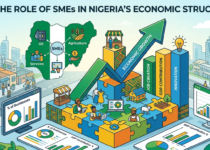
The Role of SMES in Nigeria’s economic structure.

Global Markets’ Role in Nigeria’s Economy.