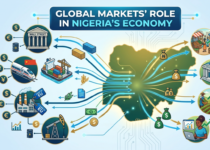
The Rise of Emerging Markets
In recent decades, we have seen great change in the global economic picture. Once out of the loop in terms of global trade and investment, many of these countries are now at the center of economic growth and development. We see emerging markets not just as players in the global economy but as the primary forces shaping it.
Emerging markets are, at present, low-income and not fully developed economies that are in the process of transforming into more industrial and market-based systems. In terms of importance, what we see is not only the very fast rate of their economic growth but also the way these markets are beginning to play a key role in global trade, innovation, and consumption trends. As these economies grow, they are reconfiguring the way the world produces, consumes, and does business.
Understanding Emerging Markets
Emerging markets have seen rapid economic growth, better infrastructure development, and increased global trade. Although they may still struggle with issues like political instability or income disparity, these markets show great promise for the future.
In many parts of the world, we see examples of emerging economies. In Asia, large players like China and India have risen to the top. In Africa, we see growth in countries like Nigeria and Kenya. In Latin America, Brazil and Mexico are increasing their economic influence.
These economies are moving toward stronger manufacturing bases, stronger institutions, and greater global economic participation.
Factors That Have Fueled the Rise of Emerging Markets
Population Growth and Demographics
In terms of what is driving growth in emerging markets, a key factor is their population structure. Many of these countries have young and fast-growing populations. This brings a large and dynamic labor force that supports industrial expansion and innovation.
A young population is also a factor in high consumer demand. As more youth enter the labor force and gain income, they spend more on goods and services, which revs up the domestic economy.
Industrialization and Urbanization
In many parts of the world, we see a great shift toward industry in emerging markets; at the same time, we see that urbanization is a large-scale transformation of how people live and work. Cities are becoming the main stages of economic action; they are the focus of investment and see the development of new opportunities.
Infrastructure growth, which includes roads, ports, and energy systems, is a key element of this process. Better infrastructure sees businesses run more efficiently and access global markets.
Technological Adoption
In contrast to developed economies, many emerging markets are adopting present-day technologies at great speed. Mobile phones, digital payments, and internet services are seeing very fast adoption.
This, we see in the practice of what is also called “leapfrogging,” has enabled some developing countries to speed up their development. For example, in the case of digital banking, which has grown in regions where traditional banking was not present, this has brought more people into the economic fold.
Foreign Investment and Global Integration
In the growth of emerging markets, we see great foreign investment attracted by their large consumer bases. Also, international companies are going to these economies in search of new markets and to take advantage of lower production costs.
At present, these countries are seeing an increase in their integration into global trade networks. They are exporting to international markets and importing technology and expertise, which fuel growth and development.
Government Reforms and Economic Policies
Many governments have put in place reforms that ensure business environments are improved and investment attracted. These efforts include the removal of trade barriers, reinforcement of legal structures, and support for entrepreneurship.
Market-oriented policies have created more competitive economies. Also, governments are putting more focus on stability, transparency, and long-term growth, which increases investor confidence and supports economic expansion.
Impact on the Global Economy
The growth of emerging markets has brought a large shift into the global economy. What we see is an increase in global trade and production. Also, these economies are not just producing goods but are also major consumers.
We have seen a shift in economic power. Although traditional economic leaders are still present, emerging markets are taking a greater role in global decision-making and economic governance.
Their growing middle classes are fueling demand for products ranging from electronics to food; at the same time, their industries are becoming part of global supply chains.
Opportunities Created by Emerging Markets
Emerging economies are a large field of opportunity. We see great potential in the growth of new consumer segments. As incomes grow, millions of people are moving into the middle class, creating demand for better healthcare, education, housing, and consumer products.
These economies present an excellent investment base. Businesses and investors are drawn to growth and dynamic industries. From technology startups to manufacturing centers, emerging markets offer a wide range of economic opportunities.
Global companies are also expanding into these regions. By setting up in emerging markets, companies are able to access new customers and diversify their business operations.
Challenges Facing Emerging Markets
Despite progress, emerging markets still face political and economic instability, which may see growth interrupted and investment discouraged. Countries that do not have stable leadership or consistent policies, or that experience social unrest, present risks to businesses and investors.
Infrastructure is still an issue in many areas. Although we have seen growth in some aspects, poor transport, energy, and communication systems still limit economic performance.
Income distribution is also an issue. Growth does not affect all social groups equally, which leads to wide gaps in wealth and opportunity.
Many emerging economies rely on commodity exports like oil and minerals. They are therefore at the mercy of global price changes, which play a role in these economies’ stability.
Regional Perspectives
Emerging markets do not act as a single entity, and their growth differs by region. In Asia, we see rapid industrialization and strong export sectors driving economic growth. In this region, there is large-scale production and technology development.
In Africa, growth is driven by natural resources, agriculture, and a youthful population. Although the continent faces issues of infrastructure and governance, it also has long-term potential.
Latin America presents a mixed picture of growth; some countries are seeing progress, while others are still struggling with economic fluctuations and dependence on primary products.
These regional variations present a complex picture of emerging markets and support the study of each economy individually.
Role of Up-and-Coming Markets in the Future
In the future, we see emerging markets taking on a larger role in the global economy. They will be asking for greater representation in global decision-making, which will increase their influence in international institutions.
They also play a role in innovation. In fintech and renewable energy, we see emerging markets coming up with new solutions to economic issues.
As these markets expand, they will define trends in technology, trade, and sustainability.
Future Outlook
The future of emerging markets is very bright but also uncertain. What will determine their growth will be their political decisions, how well they are governed, and their success in adapting to global issues.
Technology will continue to be a top driver, and we will see more investment in education and infrastructure. At the same time, global issues like climate change and economic instability may play a role in how these economies develop.
While not all emerging markets will grow at the same rate, we see the growing influence of these markets in the global economy.
Conclusion
The emergence of new market players is one of the biggest transformations in today’s world economy. Through population growth, industrialization, technological adoption, and policy changes, these economies are redefining global trade and economic power.
They present opportunities for growth, investment, and innovation while also bringing challenges that require careful management. As emerging markets grow, they will play an ever-larger role in the global economy.
Grasping what has gone right for them is key to understanding today’s complex world picture and the economic changes coming in the future.
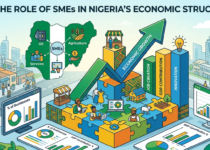
The Role of SMES in Nigeria’s economic structure.

The Shift Toward Renewable Energy Worldwide